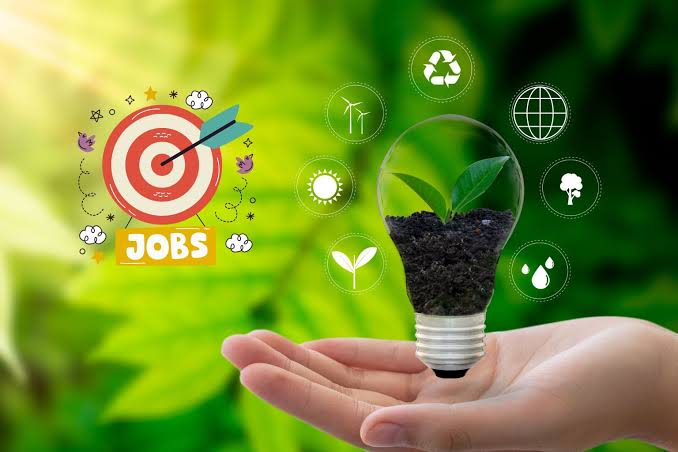

For a long time, people thought technology and the environment were enemies. Factories polluted rivers. Computers used huge amounts of electricity. Old phones filled up garbage dumps. It was true. Technology caused real environmental problems. But something important has changed in the last five years. Technology is now the best tool we have to fight climate change and protect nature. This change is creating a whole new category of jobs called “Green Tech” or “Climate Tech.”
Green tech means using technology to solve environmental problems. Solar panels that track the sun. Electric cars that charge themselves using your roof. Smart sensors in farms that save water. AI that predicts storms so people can evacuate. These technologies need humans to design, build, install, fix, and improve them. And these humans earn good salaries while feeling proud that they are helping the planet.
Why Green Tech Jobs Are Exploding Right Now
Three forces are pushing green tech jobs to grow faster than almost any other job category.
First, governments are passing laws. The United States passed the Inflation Reduction Act, which gives billions of dollars to clean energy projects. The European Union has the Green Deal. China is investing heavily in solar and electric vehicles. These laws create demand for workers.
Second, renewable energy is now cheaper than fossil fuels. Solar and wind power cost less than coal or gas in most of the world. Companies are switching to save money, not just to be nice to the planet. This economic reality means green tech is permanent, not a trend.
Third, young workers care about the climate. Surveys show that most people under 30 want jobs that have a positive impact. They do not want to work for oil companies. They want to work for solar companies. Companies are creating green jobs to attract this talent.
The Top Green Technology Jobs (And Their Salaries)
1. Solar Panel Installer
What they do: They climb onto roofs or work on the ground to install solar panels. They connect wires. They make sure panels face the sun correctly.
Education needed: High school diploma plus short training (2 to 6 months).
Salary: $45,000 to $75,000 per year.
Growth rate: This is one of the fastest-growing jobs in America (over 50% growth predicted).
2. Wind Turbine Technician
What they do: They climb inside giant wind turbines (the tall white towers with spinning blades). They fix mechanical problems. They check electrical systems. They work at heights, so you cannot be afraid of being high up.
Education needed: Technical school certificate (6 to 12 months).
Salary: $55,000 to $85,000 per year.
Fun fact: This job has the coolest office view. You can see for miles from the top of a wind turbine.
3. Electric Vehicle (EV) Mechanic
What they do: Regular mechanics work on gas engines. EV mechanics work on electric motors and giant batteries. They need to understand software because electric cars are like computers on wheels.
Education needed: Traditional mechanic training plus special EV certification (adds 3 to 6 months).
Salary: $50,000 to $90,000 per year.
Future outlook: By 2030, most new cars sold will be electric. Every town will need EV mechanics.
4. Smart Building Engineer
What they do: They install sensors and software in office buildings, schools, and hospitals. These sensors measure temperature, light, and movement. The software then automatically turns off lights in empty rooms or lowers heat at night. This saves huge amounts of energy.
Education needed: Associate degree or certification in building automation (1 to 2 years).
Salary: $60,000 to $100,000 per year.
5. Precision Agriculture Specialist
What they do: Farmers used to water and fertilize entire fields equally. That wastes a lot. Now, drones fly over fields and take photos. Sensors in the ground measure moisture. A computer makes a map showing exactly which parts of the field need water or fertilizer. The specialist helps the farmer use this technology.
Education needed: Some college or specialized training (6 to 18 months).
Salary: $50,000 to $80,000 per year.
Impact: This job can reduce farm water use by 30% and chemical use by 40%.
How to Get Into Green Tech (No Experience Needed)
The best part about green tech is that many jobs are hands-on and do not require a four-year degree. Here is a simple path for each type of person:
If you like working with your hands: Become a solar installer or wind technician. Look for training programs at community colleges or trade schools. Some solar companies even pay you to learn while you work (apprenticeship).
If you like computers and software: Learn about “energy management systems” or “smart grid technology.” Take free online courses from the US Department of Energy or from Siemens (a big green tech company).
If you like nature and farming: Learn to fly a drone (get your FAA license in the US, which costs about $175). Then learn basic data analysis. Farms will pay you to fly over their fields and tell them what the crops need.
If you like driving and cars: Go to a community college with an EV program. Many car companies (Ford, GM, Tesla) have special training partnerships. You can become certified in less than one year.
A Story to Inspire You
Let me tell you about Carlos. Carlos was 19 years old. He dropped out of high school. He worked odd jobs like washing dishes and cutting grass. He felt lost. Then he saw an advertisement for free solar panel installation training in his city. He applied. He learned how to safely install panels on rooftops. After three months of training, a solar company hired him. He started at $22 per hour. Two years later, he became a team leader. He now makes $35 per hour and manages five installers. Carlos never thought he would have a real career. Now he is saving money for a house. And every day, he looks at the solar panels he installs and thinks, “I am helping the Earth.”
Green tech is not just about saving polar bears. It is about creating good, stable, well-paying jobs for normal people. It is about giving workers a sense of purpose. The transition to clean energy is the biggest economic change since the Industrial Revolution. And it needs millions of workers. You could be one of them. The planet needs you. And honestly, your bank account needs you too.